Charlestown Boston Neighborhood Guide for Suburban Families
Thinking about trading a backyard and driveway for brick sidewalks, harbor views, and a shorter trip into the city? If you are a suburban family wondering whether Charlestown could be the right next chapter, you are not alone. The move can be exciting, but it also comes with real questions about space, schools, parks, commute patterns, and day-to-day convenience. This guide will help you weigh the lifestyle shift so you can decide whether Charlestown fits the way you want to live. Let’s dive in.
Charlestown offers something many buyers look for when they want city living without feeling fully disconnected from neighborhood life. According to the City of Boston’s Charlestown neighborhood overview, the area combines deep naval history, Irish roots, Freedom Trail access, and a distinct community identity within Boston.
For families coming from places like Winchester, Lexington, or Wakefield, that sense of identity can feel familiar. You still get a neighborhood setting, but the pace, housing style, and daily routine are more urban. In many ways, Charlestown is a city version of neighborhood charm.
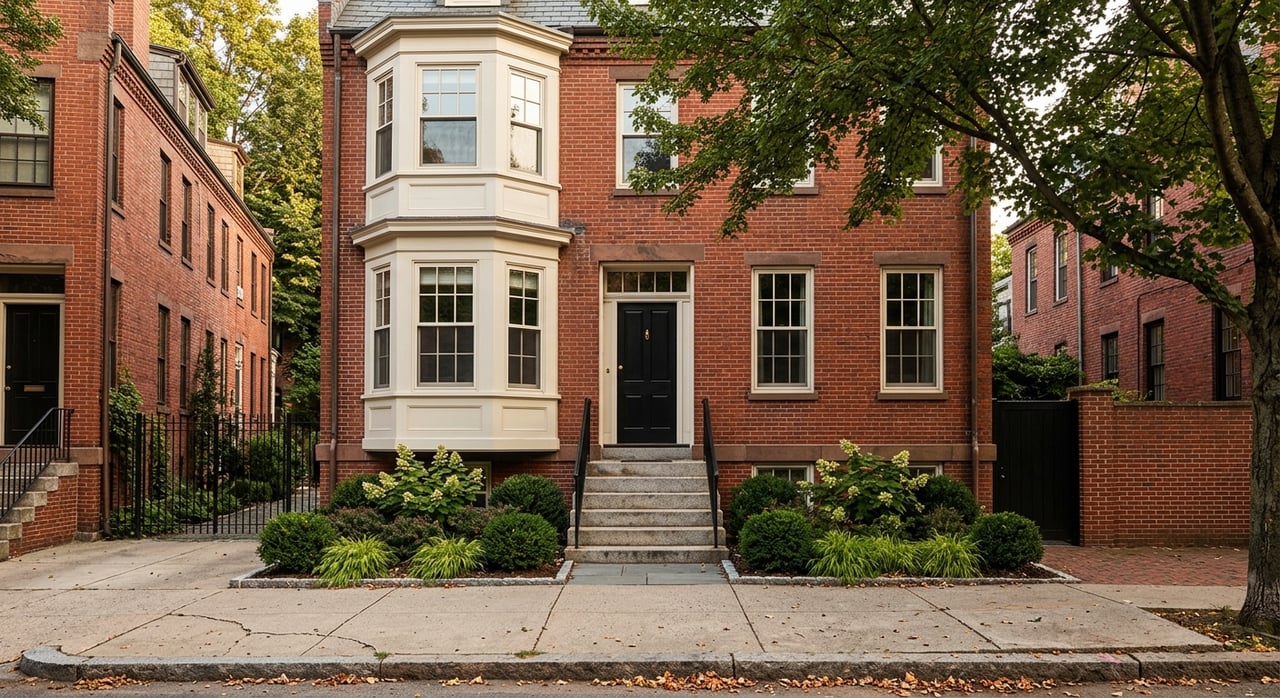
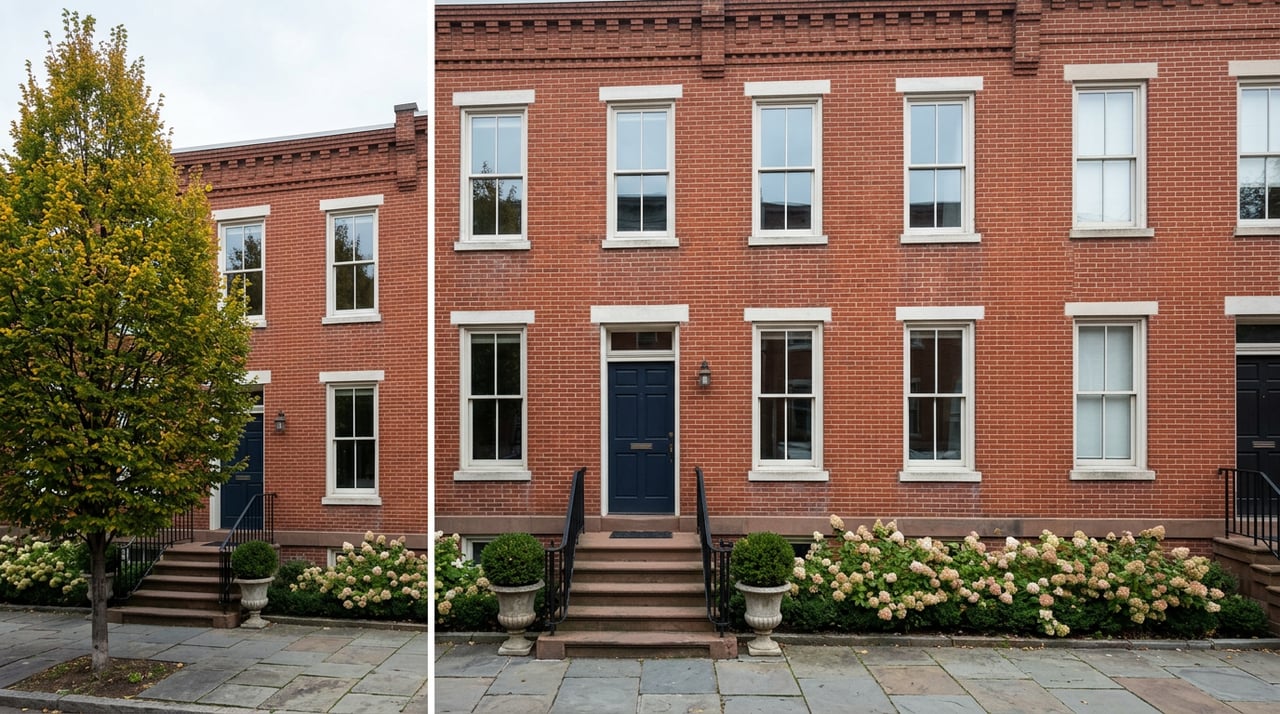
The biggest adjustment for many suburban families is housing type. Boston planning materials describe Charlestown’s housing stock as a mix of historic brick and wood row houses, plus small two- and three-family buildings, which creates a more attached-home and condo-oriented environment than you typically find in detached-lot suburbs.
That means your trade-offs are usually clear. You may gain walkability, transit access, and proximity to downtown Boston, but you are more likely to give up a large yard, private outdoor space, and easy off-street parking.
For many buyers, condos are the most realistic way into Charlestown. Current market examples in the research range from about $440,000 for a one-bedroom condo to larger units around $1.1 million to $2.1 million.
If you are moving from a larger suburban single-family home, this can require a mindset shift. Instead of prioritizing lot size and square footage alone, you may focus more on layout, storage, outdoor access, and how close you want to be to parks, transit, or the waterfront.
If your goal is to keep more of a family-home feel, attached or rowhouse-style properties are often the premium option. Recent examples in the research run from about $875,000 to $4.49 million, with several three-bedroom homes in the $1.28 million to $1.65 million range.
That pricing shows why Charlestown can appeal to move-up buyers, but it also highlights the cost of getting more space in a prime Boston neighborhood. For families used to suburban value per square foot, the urban premium is a major part of the decision.
Charlestown works best when you value proximity and convenience over extra land. The neighborhood gives you access to parks, waterfront areas, and local destinations while keeping you close to the broader Boston job market and cultural core.
That said, the experience is not suburban with a city zip code. It is truly urban living, with more shared walls, more compact streets, and a different rhythm to errands, drop-offs, and commuting.
If outdoor access is a priority for your family, Charlestown has several notable public spaces. The city highlights Paul Revere Park, City Square Park, John Harvard Mall, Thomas Menino Park, Clougherty Pool, and Ryan Playground as key neighborhood amenities.
For many families, that network of parks helps offset the fact that private yards are less common. Instead of thinking mainly about your own lot, you may begin thinking about your block, nearby open space, and which public amenities are part of your regular routine.
One especially important family amenity is Ryan Playground. The city says the site is currently being rebuilt through a $25 million renovation that is expected to reopen in fall 2026 with new fields, a playground, a splash pad, a waterfront promenade, and flood protection, according to the City of Boston project update.
That is meaningful if you are planning a medium- or long-term move. While construction timing matters in the short term, the future upgrade adds to Charlestown’s appeal for buyers who want strong public outdoor amenities close to home.
One of the biggest changes for suburban families is how school assignment works. In Boston Public Schools, K-8 assignment is home-based, and most families receive 10 to 14 school options, while all 7-12 and 9-12 high schools are citywide options under the BPS student assignment policy.
This is very different from many suburbs, where one address often maps more directly to one school path. If you are considering Charlestown, it is smart to review your address-based options through Discover BPS early in your home search.
Charlestown’s neighborhood public school options include Warren-Prescott K-8 at 50 School St. and Charlestown High School at 240 Medford St. Boston Public Schools notes that Charlestown High serves grades 7-12 and offers pathways, AP classes, and early-college programming with Bunker Hill Community College through its school information resources.
BPS also states that the renovated Edwards building in Charlestown will house the early-childhood grades of Warren-Prescott, reinforcing the neighborhood’s role in the city’s K-8 and early-childhood network through completed capital projects.
For many buyers, Charlestown’s location is one of its strongest selling points. The neighborhood is served by state and local roads, bus routes, and the MBTA Orange Line, and the North Washington Street Bridge helps connect Charlestown to Downtown Boston, according to city planning materials.
Boston transportation planning also points to efforts to improve Orange Line access, add center-running bus lanes, and create safer walking and biking connections between Sullivan Square and City Square. If your household wants more than one way to get around, Charlestown can offer flexibility that many suburbs do not.
The upside of access comes with a predictable downside. City planning documents specifically note congestion and limited parking, which means you should expect a more urban transportation routine.
For some families, that is a worthwhile exchange for shorter commutes and greater walkability. For others, especially if you rely heavily on multiple cars, school drop-offs, and frequent driving, this may be the factor that makes Charlestown feel less comfortable than a suburb.
Charlestown is also shaped by a broader housing story. The City of Boston says the neighborhood has 25% income-restricted housing stock, and the Bunker Hill redevelopment is planned to replace 1,100 public housing units with 2,699 mixed public, income-restricted, and market-rate rental units as part of the city’s income-restricted housing inventory announcement.
For buyers, that does not answer whether a specific home is right for your family, but it does provide context. Charlestown is not static. It is a neighborhood with historic character and ongoing housing change, which can matter if you are evaluating long-term livability, neighborhood evolution, and housing mix.
Charlestown is often a strong match if you want:
It may be a weaker fit if you want:
Charlestown can be a smart urban move for suburban families, but only if you want the benefits of city living enough to embrace the trade-offs. You are likely choosing compact housing, urban pricing, and a less car-centered routine in exchange for neighborhood character, parks, transit access, and a strong sense of place.
For many Greater Boston buyers, that balance works surprisingly well. If you are weighing Charlestown against suburban options, working with a team that understands both sides of that decision can make the process clearer. The McLaren Team helps clients navigate city-to-suburb and suburb-to-city moves with a strategic, high-touch approach tailored to how you actually live.
Whether you are interested in selling your home or buying a new dream home, we make it our mission to be by your side every step of the way and long after the closing. Simply put, our goals are your goals. Contact The McLaren Team today to discuss all your real estate needs!
GET IN TOUCH WITH OUR TEAM TO LEARN MORE

THE MCLAREN TEAM
48 MOUNT VERNON ST STE 205 WINCHESTER MA 01890 126 NEWBURY STREET BOSTON MA 02116