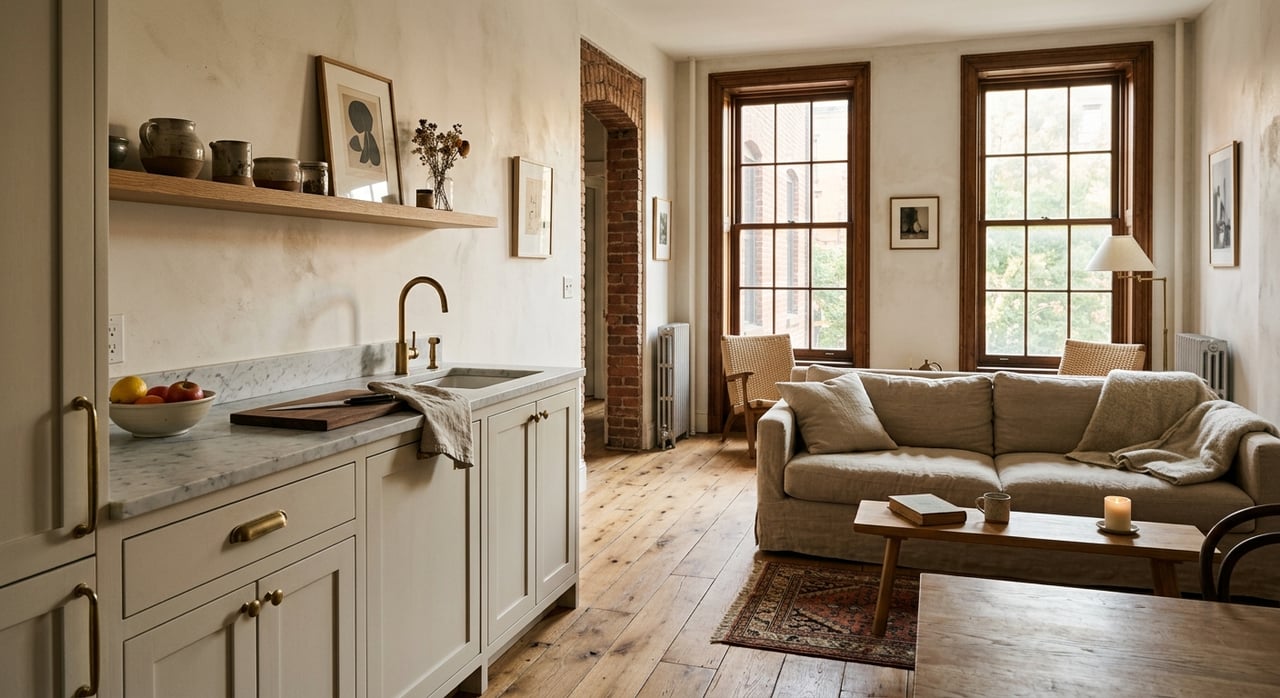
Boston Condo Conversion Guide for Small Projects
If you are thinking about a small condo conversion in Boston, the biggest risks usually show up long before the final paint color or listing photos. Between condominium law, city conversion rules, zoning, permits, and neighborhood pricing, even a modest project can get complicated fast. The good news is that with the right early planning, you can make clearer decisions about feasibility, layout, budget, and timing. Let’s dive in.
A small condo conversion in Boston is shaped by four main factors: Massachusetts condominium law, Boston’s condo conversion rules, zoning and permit review, and local market absorption. In practice, that means you need to understand both whether the building can be converted and whether the finished units will match neighborhood demand.
Massachusetts condo ownership is governed by Chapter 183A. To create a condominium, you need a recorded master deed, unit deeds, bylaws, and certified floor plans that identify each unit, its approximate area and rooms, and the common areas.
That document package is not just a legal formality. It becomes part of the product you are selling, because buyers and lenders will rely on the recorded unit descriptions, floor plans, common-area percentages, and use restrictions at closing.
If the building has tenants, Boston’s Condominium and Cooperative Conversion Ordinance is a major part of your timeline. The city says the process begins as soon as the owner forms intent to convert, not when construction starts or when units hit the market.
For covered properties, Boston requires a Conversion Plan from the Mayor’s Office of Housing and a Conversion Permit from Inspectional Services. The city also states that tenants receive one-year notice and $10,000 in relocation benefits, while eligible tenants who are age 62 or older, disabled, or under 80% of area median income receive five-year notice and $15,000 in relocation benefits.
Boston also lists a fee of $1,000 per unit and fines of $300 or more per violation per day. If your building is tenant-occupied, those notice periods and costs need to be built into your carry budget from the beginning.
A small conversion can still trigger a meaningful review process. If the work changes legal occupancy or includes major alterations, Boston may require a long-form permit plus zoning and building review.
The city’s zoning tools can help confirm the zoning district, subdistrict, and overlay districts that apply to the property. They also show whether a use is allowed, conditional, or forbidden, which is critical before you finalize a plan set or underwriting assumptions.
This is one of the clearest places where early professional coordination matters. For small projects, the most efficient launch team usually includes an attorney, architect, and surveyor or engineer early, because Boston requires stamped plans for permits and Chapter 183A requires certified floor plans for the master deed.
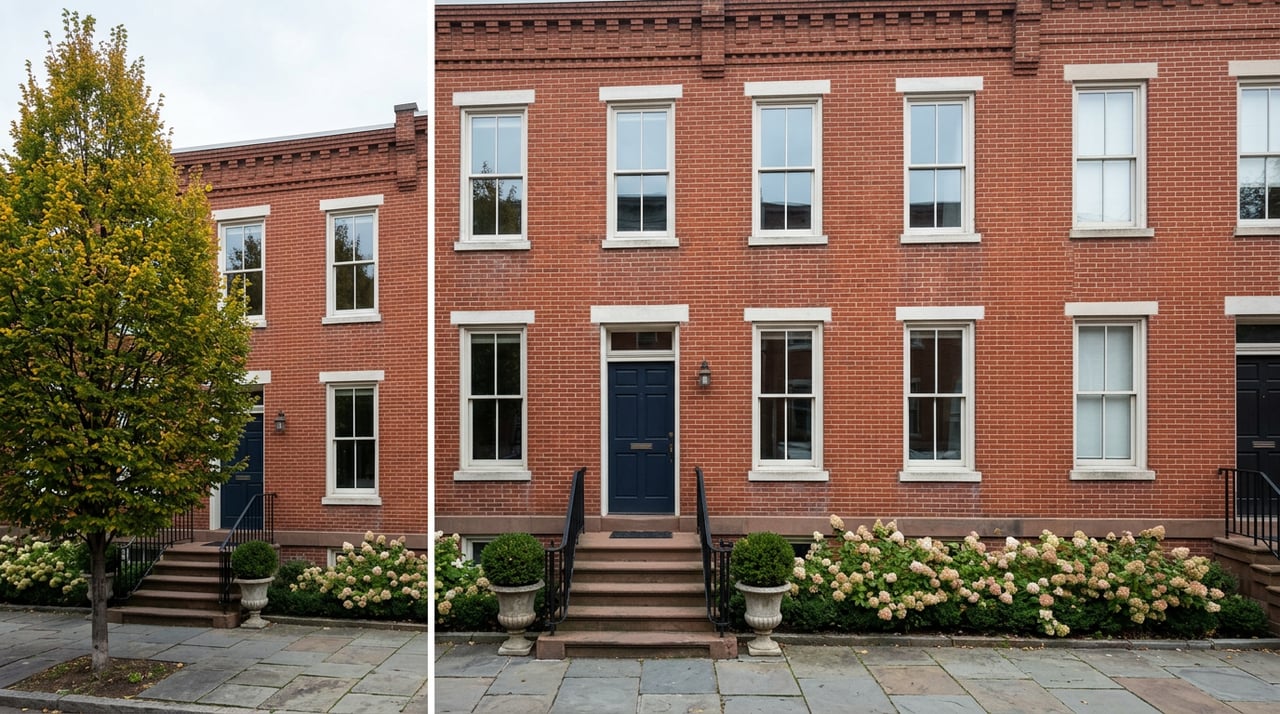
In Boston, exterior work can change the schedule even when the interior plan seems straightforward. Article 85 demolition delay can apply to Downtown, Harborpark, all other buildings at least 50 years old, and Neighborhood Design Overlay District buildings.
Separate review by the Boston Landmarks Commission can also apply in local historic districts such as Back Bay, Beacon Hill, Bay Village, and the South End. In those areas, items like window replacements, roof decks, additions, balconies, porches, stairs, masonry cleaning, and repointing may be reviewed.
For a small conversion, that means exterior scope should never be treated as an afterthought. If your pricing depends on a roof deck, new windows, or a visible addition, you want clarity on that before locking in the business plan.
In smaller Boston buildings, space planning can make or break value. Boston’s housing code points to the state sanitary code and sets practical minimums that affect layout from day one.
Each dwelling unit needs at least 150 square feet for the first occupant and 100 additional square feet for each additional occupant. Habitable rooms need natural light from a window equal to at least 8 percent of floor space and an openable window equal to 4 percent.
Bathrooms must include a toilet, tub or shower, sink, and a closable door. The same code also emphasizes egress and safety, including smoke detectors and self-closing, self-locking main entry doors with an electric striker system in buildings with more than four units.
These requirements shape more than compliance. They influence how efficient your floor plan feels and how well the finished unit lives once it is furnished and shown.
In many Boston conversions, buyers are paying for light, proportion, and location as much as raw square footage. That is why a practical layout strategy is to protect the best frontage for living and dining areas, keep hallways and circulation tight, and place baths, laundry, and storage where they use less premium square footage.
This matters even more in smaller units. A smart one-bedroom or compact two-bedroom with strong natural light and balanced room sizes often presents better than a technically larger unit with awkward circulation or dark main spaces.
Not every Boston neighborhood supports the same product. The citywide condo market currently shows 1,557 condos for sale at a median listing price of $847,000, with most homes on the citywide condo page staying on the market about 31 days and receiving 4 offers.
That citywide baseline is useful, but your neighborhood tier should shape your unit mix and finish decisions more directly. A small conversion in Back Bay, South Boston, Brighton, or Dorchester will not be judged by the same buyer expectations.
Back Bay sits in a premium price band. Its all-home median sale price was $1.434 million in March 2026, with a median 66 days on market, and current condo listings span from $699,900 for a one-bedroom to about $1.485 million for a two-bedroom, with additional examples around $1.45 million for larger units.
In this tier, presentation quality and marketing runway matter. Buyers are often paying for preserved character, high-end systems, outdoor space, and parking when available, so the bar is higher for design consistency and finish quality.
South Boston offers a strong benchmark for a well-finished conversion. The neighborhood’s all-home median sale price was $1.05 million with 51 days on market, and the condo page currently shows 210 condos at a median listing price of $1.05 million.
For projects here, polished common areas, quality kitchens and baths, outdoor space, and parking support value when the building can deliver them. This is often where thoughtful finish spending can still earn a return if the overall package feels cohesive.
Brighton and Dorchester tend to be more price-sensitive. Brighton’s condo page shows a median listing price of $548,000 and median days on market of 46, while Dorchester’s all-home median sale price was $725,000 with 56 days on market, and condo examples range from the high $200,000s to about $700,000.
In these areas, efficient layouts and clean, turn-key renovations usually matter more than luxury extras. Buyers often respond better to updated kitchens, solid bath design, functional storage, and dependable systems than to expensive amenity packages that push pricing beyond local expectations.
One of the most common conversion mistakes is over-improving for the block or under-improving for the price point. Finish strategy should follow neighborhood tier and the buyer pool you expect to attract.
In higher-price areas, preserved character paired with strong mechanical systems, outdoor space, and parking may help justify a premium. In more value-oriented neighborhoods, simple and durable choices often perform better than elaborate upgrades.
The key is consistency. Buyers notice when the layout, finishes, and pricing all tell the same story, and they also notice when one of those elements feels out of step.
Parking should be modeled explicitly, not assumed. Boston offers resident parking permits, South Boston includes a parking freeze area, and the city’s transportation department says building parking can cost up to $50,000 per space.
For a small conversion, that can have a major impact on budget and pricing strategy. In some neighborhoods, a dedicated space or well-planned outdoor area can meaningfully support absorption, while in others the cost of creating parking may not pencil out.
That is why parking needs to be tested early as part of feasibility. If your pro forma depends on parking, you should understand both the cost and the likely pricing premium before moving ahead.
Boston condo conversions can also create short-term tax confusion if you are not planning ahead. The city says tax bills reflect the property’s status as of January 1, and there can be a period before each unit owner receives an individual tax bill.
Until that happens, the total bill may be allocated using the common-area percentage. For a seller or builder, that is mostly an accounting and communication issue, but it is still worth understanding before closings begin.
Your sales plan should not wait until construction is done. Chapter 183A requires the unit deed to state intended use and restrictions, so decisions about the product should happen early.
If you are positioning a building toward owner-occupants, investors, or a mix, that strategy should align with the condo document package. The legal setup, floor plans, unit mix, and marketing story all need to support each other.
For a small Boston condo conversion, success usually comes down to clarity. You need to know the permitting path, understand tenant-related obligations if the building is occupied, design units around real code and livability standards, and match the finish level to the neighborhood’s pricing tier.
That is where experienced project guidance can make a real difference. The strongest outcomes usually come from projects that are positioned carefully from the start, with realistic assumptions about timing, absorption, and buyer expectations.
If you are evaluating a small condo conversion in Boston and want a practical read on pricing, positioning, and launch strategy, The McLaren Team brings Greater Boston condo expertise, project marketing insight, and hands-on development consulting to help you move forward with more confidence.
Whether you are interested in selling your home or buying a new dream home, we make it our mission to be by your side every step of the way and long after the closing. Simply put, our goals are your goals. Contact The McLaren Team today to discuss all your real estate needs!
GET IN TOUCH WITH OUR TEAM TO LEARN MORE
THE MCLAREN TEAM
48 MOUNT VERNON ST STE 205 WINCHESTER MA 01890 126 NEWBURY STREET BOSTON MA 02116