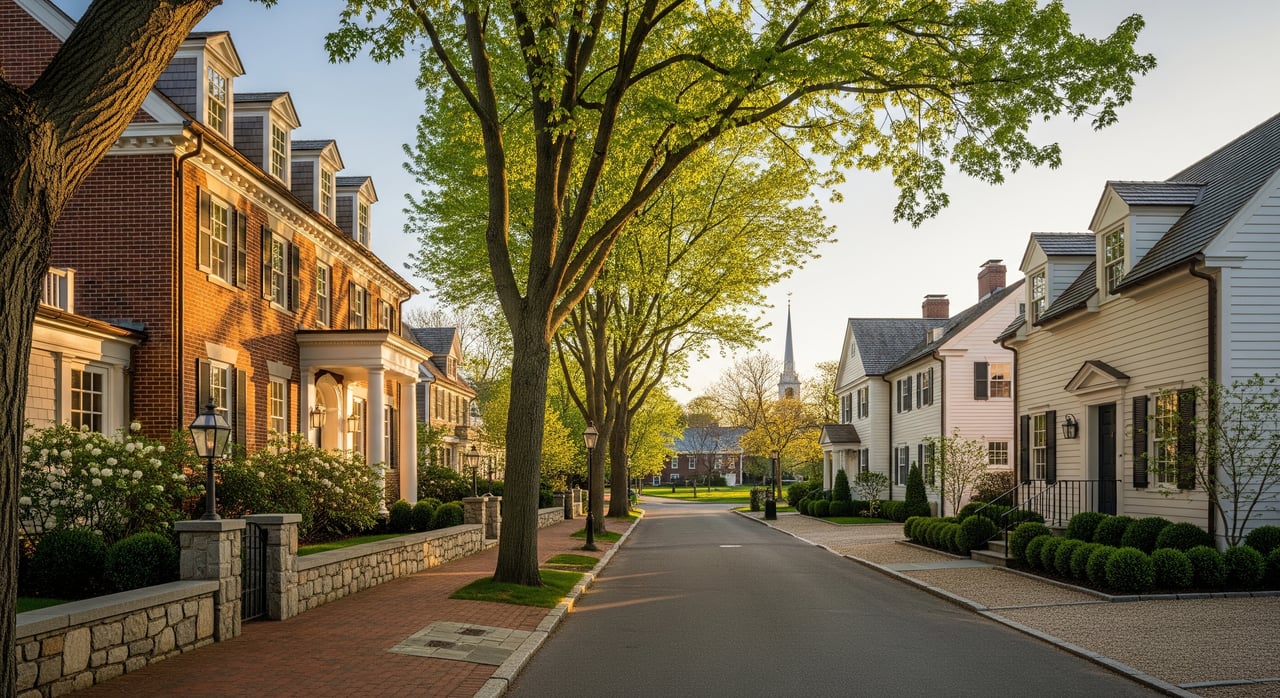
Winchester vs Lexington Homes: Which Town Fits You?
Torn between Winchester and Lexington for your next move? You are not alone. Both towns are magnets for Greater Boston families ready to upsize into a single-family home. You want the right blend of schools, space, commute, and lifestyle without second guessing later. This guide lays out the real differences that matter so you can prioritize with confidence. Let’s dive in.
If you want larger lots and historically top-performing public schools, Lexington often rises to the top. If you prefer a compact, walkable town center with quick access to nature, Winchester is a strong fit. Both are well serviced, community-oriented, and firmly in the Greater Boston orbit.
For most families, the main decision drivers are clear:
Your budget determines which inventory bands are realistic in each town. To compare apples to apples, look at single-family data only. Focus on:
These metrics show what your money buys and how fast you must move when a match appears. In both towns, spring is the busiest season, and updated homes in popular school zones can attract multiple offers. If you want to reduce pressure, consider targeting shoulder seasons while staying flexible on must-haves.
Pro tip: If you need to bridge a gap between budget and wish list, consider homes that need light modernization and plan for phased updates. In older housing stock markets, smart improvements can add long-term value.
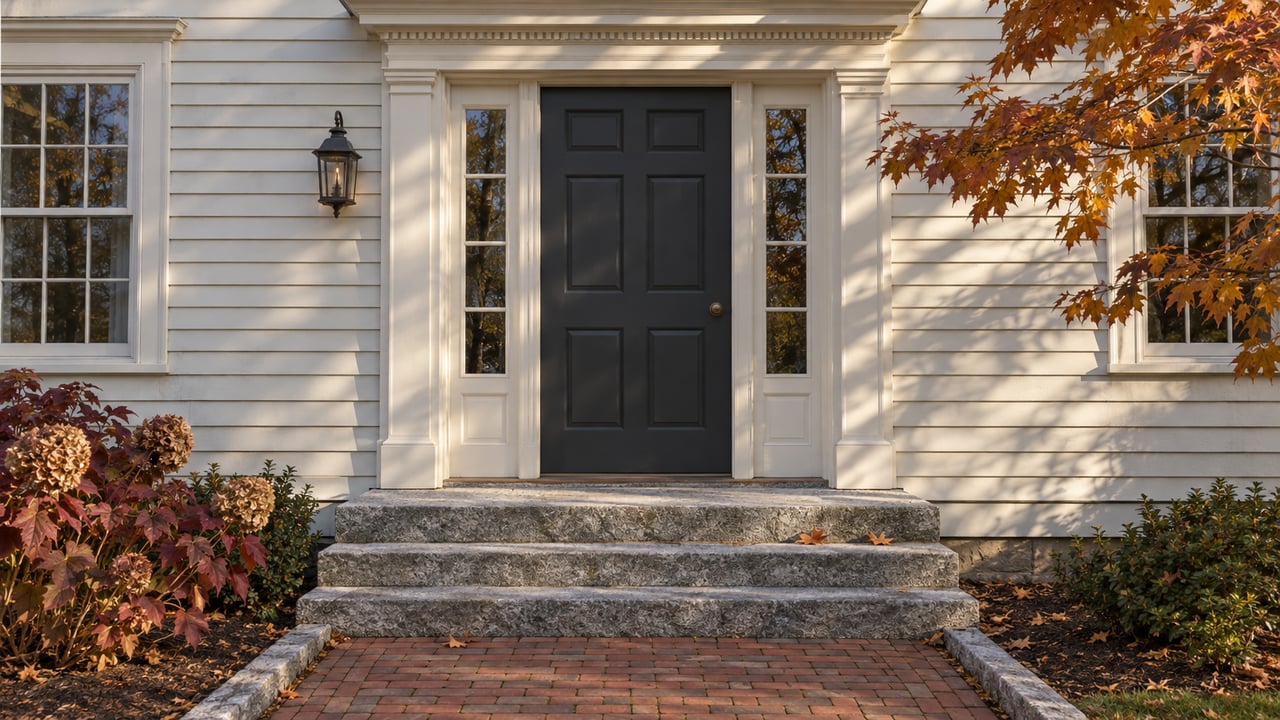
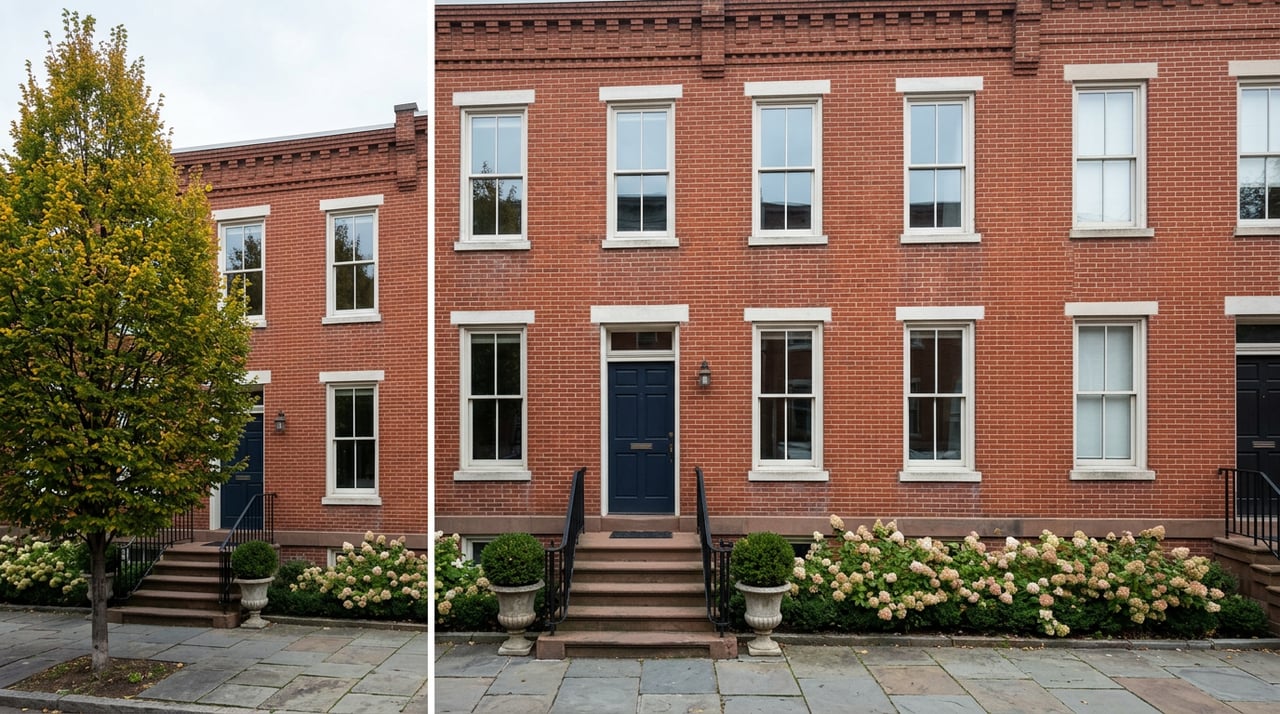
Winchester offers a mix of early 20th-century Colonials, Tudors, and Victorians, with some mid-century and select newer builds. Lots are generally more modest than outer suburbs, though areas near the Middlesex Fells can offer more space. Many resale homes are older, so you will often see kitchens and baths in various stages of renovation. The payoff is a more walkable downtown with clustered shops and services.
What this means for you:
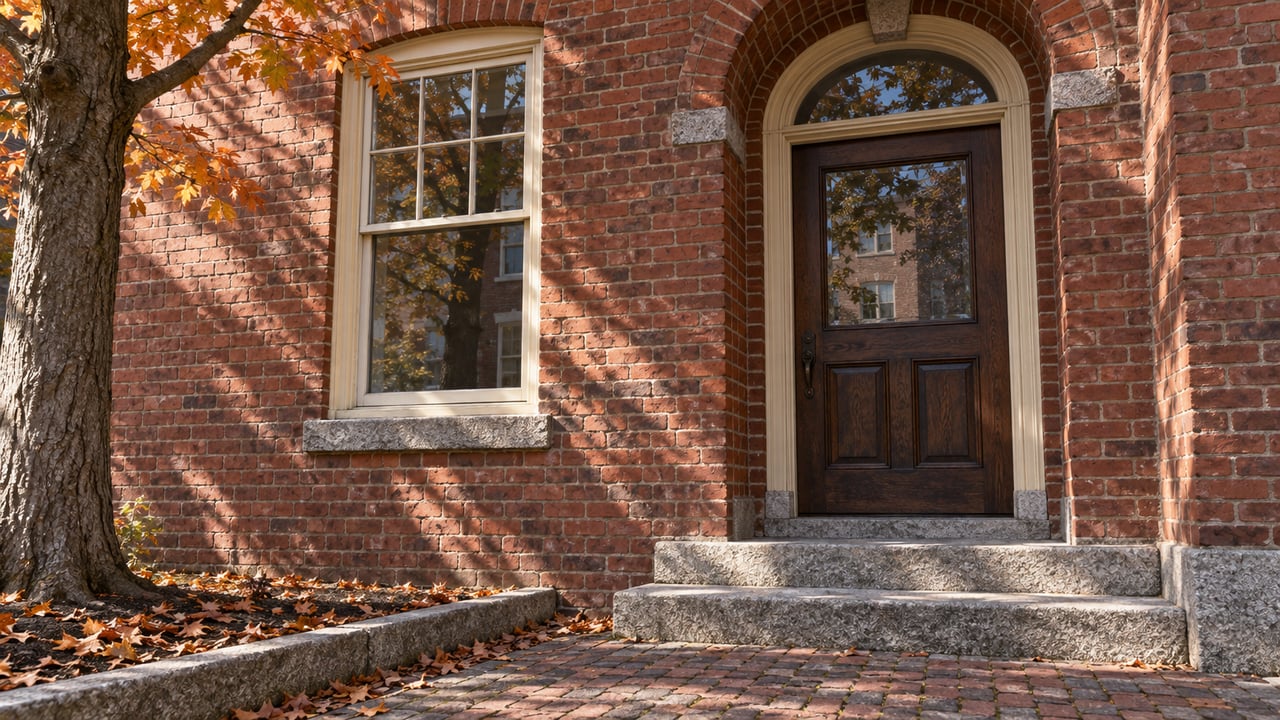
Lexington features larger Colonial and Federal-style homes, a strong presence of mid-century and newer construction, and many properties on quarter-acre to acre-plus lots. Zoning in some areas supports larger minimum lot sizes, which helps preserve a suburban feel. Move-in ready homes are common, yet you will also find highly updated properties that attract strong demand.
What this means for you:
Both towns are well regarded for public schools. Historically, Lexington Public Schools rank among the top districts in Massachusetts on state metrics and advanced coursework participation. Winchester Public Schools are also strong and benefit from engaged community support. Because school data evolves, compare specific indicators rather than relying on simple rankings.
Key metrics to review:
Consider the practical side too. Many families look at the proximity to well-regarded elementary schools, school bus eligibility, and after-school programming. If private or preschool options are part of your plan, map those logistics alongside work commutes.
Both towns are commutable to Boston and Cambridge, but the experience varies by address and schedule. Winchester residents often drive or combine commuter rail and local bus connections for trips to Boston. Lexington offers strong access to Route 2 and I‑95/128, as well as regional bus options, which can benefit commuters headed to suburban office corridors. You will also find popular bike and walking trail connections in parts of Lexington.
To assess your day-to-day routine:
Small location differences, like north versus south of town or proximity to major routes, can change your commute by meaningful amounts.
Winchester’s compact center delivers an easy, everyday rhythm. You can run errands, meet for coffee, and get to parks and services without a long drive. The nearby Middlesex Fells adds instant access to trails, ponds, and family-friendly outdoor time. Community programming and seasonal events add to the small-town feel many buyers want.
Lexington balances a vibrant historic identity with a suburban residential pattern. The town center offers shops and dining, and the Battle Green area anchors a rich cultural backdrop. Families appreciate a wide network of parks, extensive recreation programs, and connected bike and walking trails. Residential neighborhoods often feel quieter, with larger yards and more separation between homes.
Your property tax bill depends on two parts: the town’s tax rate and your assessed value. Because assessments may differ from purchase price, use each town’s assessor tools to estimate your specific property’s bill. Also factor in any local fees or capital assessments that may affect utilities and services.
What to compare as you shop:
Small differences in rates or assessments can add up over time, so build these into your annual budget view.
Post-pandemic supply remains tight in many Greater Boston suburbs, and both Winchester and Lexington can see low months of supply in popular price bands. Updated three- to five-bedroom homes near favored schools often draw strong attention. Spring typically brings the most listings and the most competition, while winter can offer fewer bidders but also fewer choices.
Planning tips:
When you want a calm, data-informed path from city to suburbs, partner with a team that works both sides of the market and opens doors to pre-market options.
Ready to compare specific homes and neighborhoods side by side? Contact The McLaren Team to start your move with a clear plan.
Whether you are interested in selling your home or buying a new dream home, we make it our mission to be by your side every step of the way and long after the closing. Simply put, our goals are your goals. Contact The McLaren Team today to discuss all your real estate needs!
GET IN TOUCH WITH OUR TEAM TO LEARN MORE

THE MCLAREN TEAM
48 MOUNT VERNON ST STE 205 WINCHESTER MA 01890 126 NEWBURY STREET BOSTON MA 02116