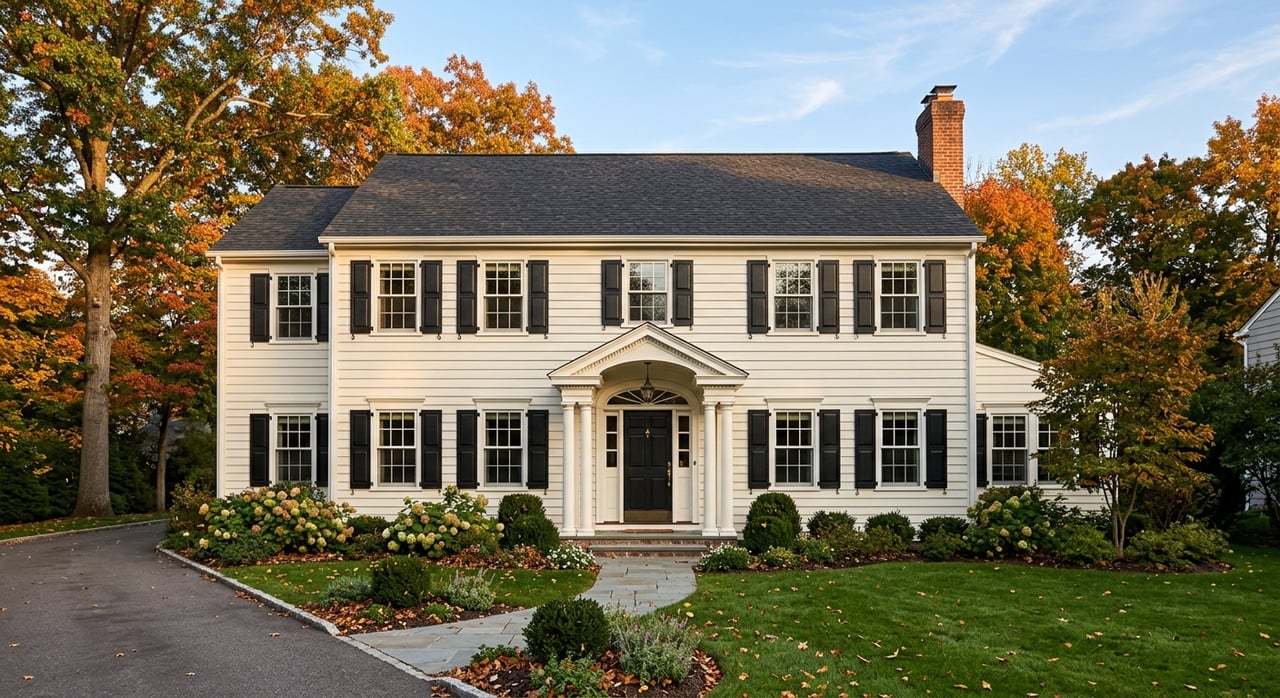
Living in Woburn MA: Commutes, Housing, and Daily Life
If you want a suburb with quick highway access, everyday conveniences, and more budget flexibility than some nearby towns, Woburn deserves a closer look. For many buyers, the challenge is finding a place that feels practical for daily life without losing access to Boston, work hubs, and local amenities. This guide breaks down what living in Woburn is really like, from commutes and recreation to housing options and how it compares with nearby markets. Let’s dive in.
Woburn sits about 10 miles northwest of Boston at the junction of I-93 and I-95/Route 128. That location makes it a familiar name for buyers who want strong regional access and a suburb that connects easily to major job centers across Greater Boston. The city’s economic development materials list 40,297 residents, 3,791 businesses, and 44,578 workers, which points to a community with both residential and commercial activity.
For early-stage buyers, Woburn often stands out as a practical alternative to higher-priced nearby markets. Recent market snapshots place Woburn’s median sale price below both Winchester and Lexington, while still offering access to parks, shopping areas, and commuter options. If you are comparing lifestyle and budget at the same time, that can make Woburn an appealing next step in your search.
Daily life in Woburn is shaped by a mix of city services, established neighborhoods, and active commercial corridors. The city highlights resources for the library, public schools, recreation, the senior center, traffic and parking, voting, and trash and recycling. For residents, that means many of the basics of day-to-day living are handled through a clear local service structure.
Woburn also offers curbside trash collection and single-stream recycling, which can simplify weekly routines. For older residents, the Council on Aging transportation program adds another layer of local support. These details may sound small, but they can make everyday living feel more manageable once you settle in.
Outdoor access is a meaningful part of life in Woburn. Horn Pond is one of the city’s best-known recreation areas and often comes up when people talk about the local lifestyle. The city’s open-space plan also points to Shaker Glen, Rag Rock, Battle Road Woodlands, and Cranberry Bog as major conservation lands.
If you like having green space close to home, Woburn offers more than just one central park. The recreation department also lists fields, pools, and the O’Brien Ice Rink among its facilities. That variety can support a wide range of routines, whether you want walking paths, seasonal activities, or organized recreation.
For shopping and dining, Woburn’s main activity centers are Woburn Center and the Woburn Village/Commerce Way corridor. These areas help anchor daily errands and give residents a mix of established and newer commercial spaces. If convenience matters to you, these nodes are important parts of how the city functions.
Woburn Center also plays a civic role beyond shopping and dining. It is one of the areas where walkability and public-space improvements are part of the city’s planning efforts. That matters if you are looking for places in town where daily activity feels a bit more concentrated.
Woburn is best understood as a driving-first suburb. Its location at the intersection of I-93 and I-95/Route 128 is a major advantage, especially if your work or routine takes you in different directions across the region. For many residents, that road access is one of the biggest reasons to consider the city.
That said, traffic is part of the local experience. City materials note that Route 38 through Woburn Center often acts as an alternate route when the interstates are congested, which adds pressure to the Common area. In plain terms, Woburn offers convenience, but you should go in expecting some real traffic patterns during busy periods.
Transit access is strongest around Anderson Regional Transportation Center and nearby commercial areas. City planning materials identify MBTA bus routes 134, 350, and 354, along with commuter rail access at Anderson RTC and Mishawum, as part of the local network. For buyers who do not want to rely on a car for every trip, those transit touchpoints can add flexibility.
The city is also advancing a pedestrian bridge connecting Anderson RTC to the New Boston Street corridor. According to city planning materials, the project is meant to reduce car dependence and support a more walkable mixed-use district. That signals where some of Woburn’s future growth and convenience improvements are likely to be concentrated.
Walkability in Woburn is not the same everywhere. Planning materials suggest that targeted areas like Woburn Center and the Anderson/New Boston Street district are improving, but townwide walkability remains uneven. If being able to walk to more destinations is high on your list, it is worth looking closely at location within the city, not just the city itself.
For some buyers, that trade-off works well. You may get stronger highway access and a wider range of housing price points, even if you are not choosing a fully walkable environment. It really comes down to how you balance commute convenience, daily habits, and home type.
Woburn’s housing stock has long been led by single-family homes. According to the city’s housing production plan, nearly 60% of the housing stock was single-family as of 2013, with the rest spread across two-family and larger multifamily buildings. The same plan notes that about a quarter of the housing stock was built before 1939, which helps explain why many streets still feel rooted in an older suburban pattern.
That older base gives buyers a clear sense of Woburn’s established character. If you are drawn to traditional detached homes on residential streets, you will likely find that part of the city’s identity easy to recognize. At the same time, the housing mix is broader than many buyers first expect.
Based on the city’s housing data, planning work, and recent development activity, most buyers will likely encounter three broad housing paths in Woburn:
This is not a formal city classification, but it is a useful way to think about the market as you narrow your search. Your best fit will depend on whether you prioritize yard space, lower-maintenance living, commute access, or a newer building format.
Woburn has been adding more multifamily housing around transit-oriented areas. In its 2024 MBTA Communities FAQ, the city said hundreds of new multifamily apartments had already been built around the Woburn Villages area and Anderson Station. Recent work tied to the Anderson RTC and New Boston Street area also supports a more walkable and mixed-use district.
For buyers, that means Woburn is not just a single-family story. It also includes newer housing options that may appeal to people relocating from Boston, downsizers looking for simpler maintenance, or buyers who want proximity to transit and commercial amenities. If your move involves a shift from city living to the suburbs, this mix can be especially useful.
If you have been searching in Winchester or Lexington and feeling priced out, Woburn may be worth serious consideration. Recent market snapshots put Woburn’s median sale price at $764,542, compared with $1,386,670 in Winchester and $1,848,894 in Lexington over the three months ending May 2026. Even allowing for normal market variation, the difference is significant.
Official local housing materials from Winchester and Lexington support the same broad pricing pattern. While the data windows are not perfectly identical, they still show Woburn in a lower price tier than either town. For buyers who want access to this part of Middlesex County without stretching into a much higher price band, that matters.
A lower price point does not mean you are giving up convenience. Woburn still offers major-road access, some transit options, outdoor spaces, and active commercial corridors. For many buyers, the real question is not whether Woburn is identical to Winchester or Lexington. It is whether Woburn offers the right balance of cost, commute, and housing choice for your goals.
That is where market context becomes valuable. If you are moving from Boston to the suburbs, upsizing from a condo, or trying to stay closer to job centers without jumping to a much higher purchase price, Woburn can make a lot of sense. It often works best for buyers who value practicality, access, and housing variety.
Woburn tends to fit buyers who want a suburb that is connected, functional, and evolving. You may appreciate it most if you want quick access to I-93 and I-95/Route 128, a mix of established and newer housing options, and everyday amenities anchored by clear commercial and civic centers. It can also be a smart place to look if your budget goes further here than in some neighboring towns.
Like any move, the right choice depends on how you live. If you want a driving-first suburb with improving walkable pockets, established outdoor spaces, and a housing market that spans older homes and newer multifamily development, Woburn is worth a closer look. The key is matching the right part of the city and the right home type to your routine.
If you are weighing Woburn against nearby suburbs or planning a move from the city, The McLaren Team can help you compare options, identify the right housing fit, and build a strategy around your goals.

Whether you are interested in selling your home or buying a new dream home, we make it our mission to be by your side every step of the way and long after the closing. Simply put, our goals are your goals. Contact The McLaren Team today to discuss all your real estate needs!
GET IN TOUCH WITH OUR TEAM TO LEARN MORE

THE MCLAREN TEAM
48 MOUNT VERNON ST STE 205 WINCHESTER MA 01890 126 NEWBURY STREET BOSTON MA 02116